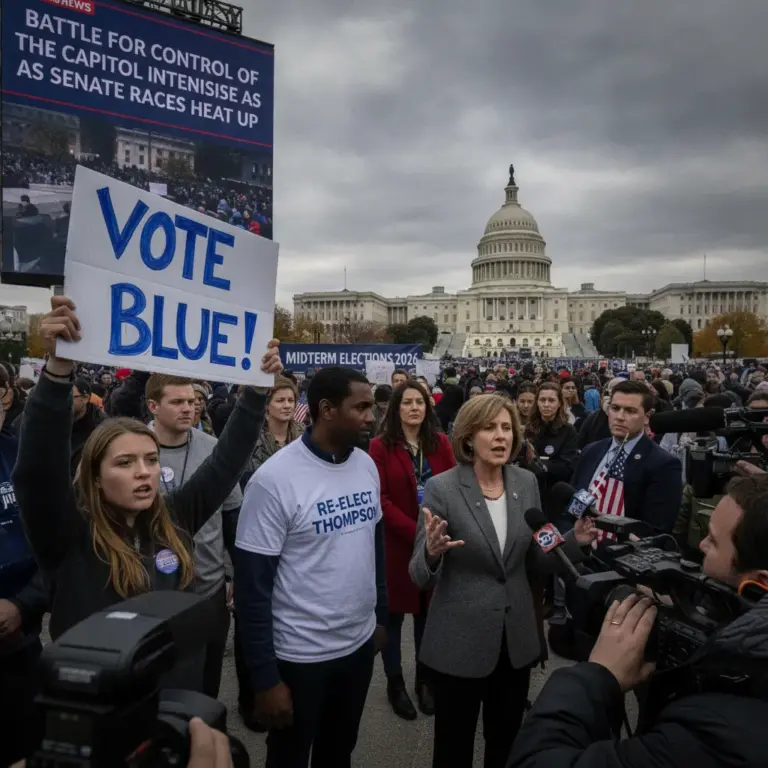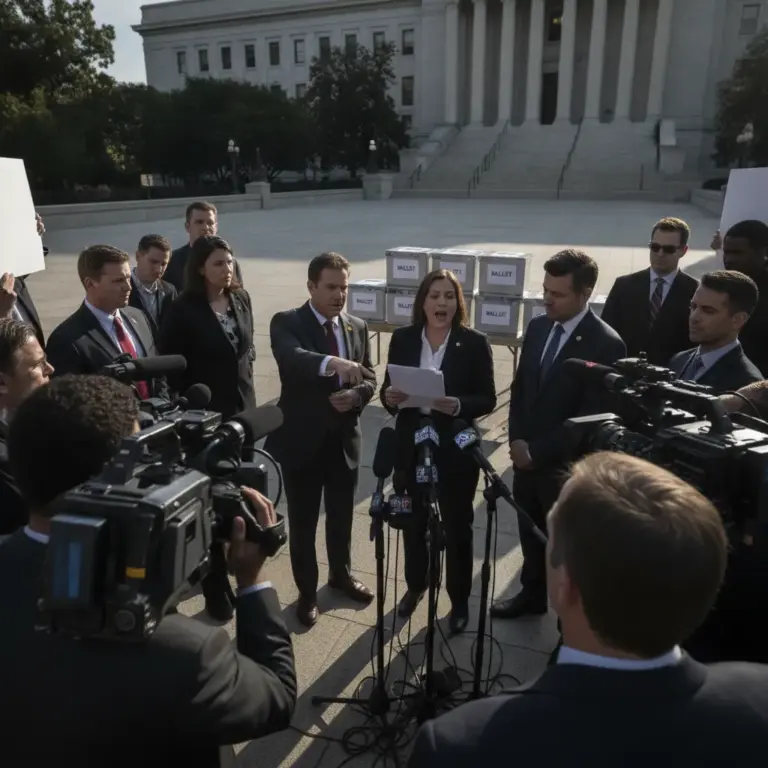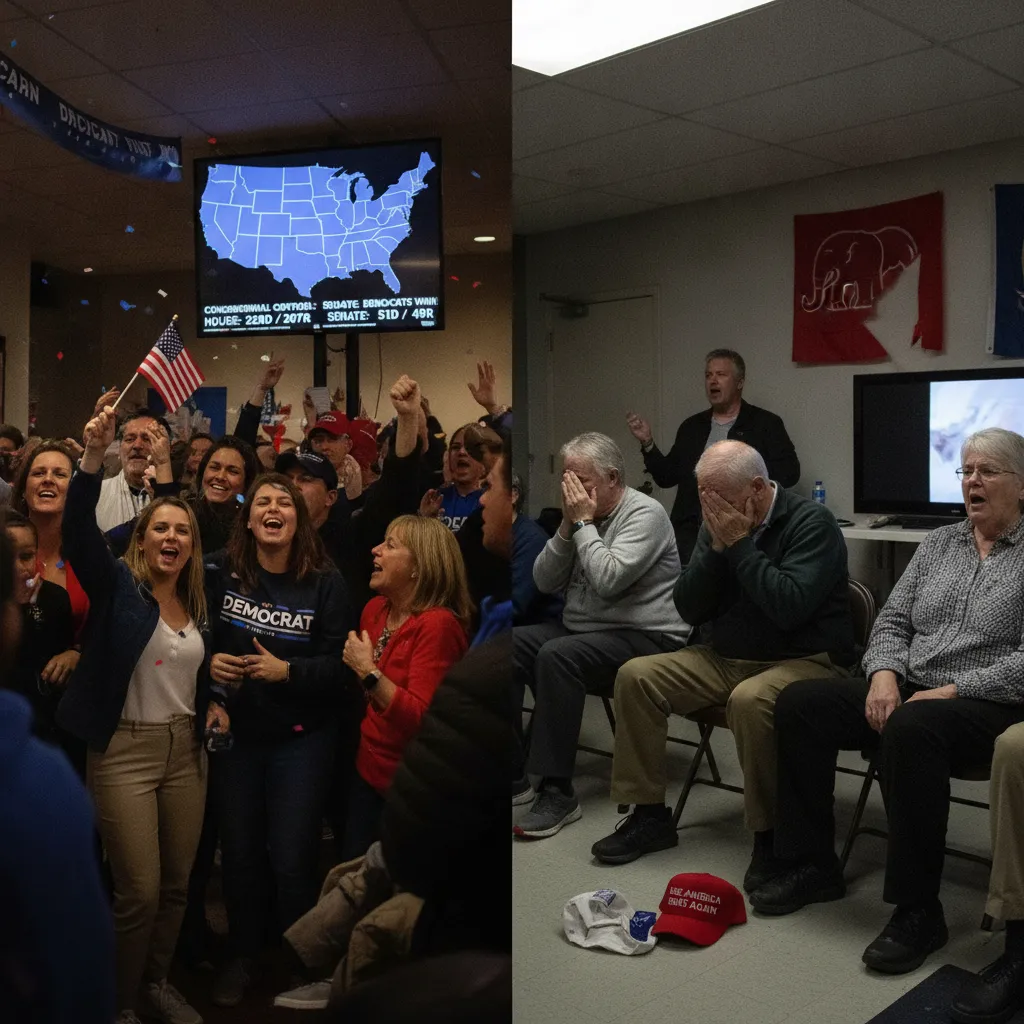
Across the United States, the atmosphere is a volatile mix of triumph and trepidation following a historic political shift that sees Democrats taking control of both the House of Representatives and the Senate. For many voters, the result represents a hard won victory and a necessary check on executive power. Some expressed absolute happiness at the polls, viewing the outcome as a mandate for change and a way to steer the country in a different direction during the remaining years of Donald Trump’s presidency.
However, the mood is far from unanimous. In states like North Carolina, conversations among voters have centered less on partisan loyalty and more on the grueling reality of daily survival. Many questioned whether they were truly better off than they were two years ago, citing the rising cost of living as a primary driver for their frustration. While some see this legislative sweep as a beacon of hope, others viewed it with deep disappointment or skepticism, doubting whether another shift in power will translate into tangible relief for middle class families.
Despite these ideological divides, there is a common thread of cautious optimism running through the electorate. There is a pervasive sense that regardless of which party holds the gavel, the American people are tired of gridlock. The prevailing sentiment among those interviewed remains focused on functionality rather than philosophy, with many simply hoping that things finally get done in Washington. As the dust settles on the midterms, all eyes now turn to how this new congressional landscape will clash or collaborate with the White House to shape the future of the nation.